📖 What's in This Guide
⚠️ IMPORTANT: 1982 is the Only Year With Both Copper AND Zinc Pennies
1982 produced seven distinct varieties because the U.S. Mint switched mid-year from 95% copper to copper-plated zinc. A single 1982 penny can be worth face value — or thousands of dollars — depending on its exact variety. The composition change makes identification essential.
How to Identify a 1982 Lincoln Memorial Penny:
- ✓ Lincoln portrait on the obverse (front)
- ✓ "1982" printed to the right of Lincoln
- ✓ "D" under the date = Denver Mint; no letter = Philadelphia
- ✓ Lincoln Memorial on the reverse (back) — not wheat stalks
- ✓ Large Date vs Small Date — look at the size and style of the "2" in the date
- ✓ Weigh it — copper = 3.11g, zinc = 2.5g (the single most important test)
1982 was the pivotal transition year. The Mint switched from 95% copper to zinc on October 21, 1982, creating multiple varieties within a single year.
In 2022, a 1982-D Small Date copper penny sold for over $18,800 at auction. It looked, at first glance, like any other worn cent from a coin jar. The difference? It was struck on a copper planchet when it should have been zinc — one of only two confirmed examples in existence.
Here's what most people don't realize: 1982 penny Varieties make this one of the most complex — and rewarding — years in modern Lincoln cent collecting. Seven distinct varieties. Two metal compositions. Multiple mint marks. And buried somewhere in billions of coins, a handful of transitional errors worth serious money.
"Most 1982 pennies are worth exactly one cent. But the composition change created so many varieties that even experienced collectors miss valuable coins. The weight test takes five seconds. It could be worth thousands."
The 30-Second 1982 Penny Quick Check
Before you get excited — or disappointed
The 1982 Penny Traffic Light System
Red = Worth face value (1¢–$2)
Common zinc variety, circulated, no errors — standard pocket change
Yellow = Worth investigating ($2–$100)
Copper variety, high-grade uncirculated, or minor errors — weigh it first
Green = Jackpot potential ($500–$18,800+)
1982-D Small Date copper, high-grade MS67+ zinc, or major errors — do NOT spend
Table 1: 1982 Penny — First Glance Value Indicators
| What to Look For | Where to Find It | What It Means | Value Range |
|---|---|---|---|
| Weighs 2.5g | Jeweler's scale | Zinc composition | $0.01–$3 |
| Weighs 3.11g | Jeweler's scale | Copper composition | $2–$18,800 |
| No mint mark | Under the date | Philadelphia Mint | $0.01–$5 |
| "D" mint mark | Under the date | Denver Mint | $0.01–$18,800 |
| Small Date digits | The "2" in 1982 | Rare variety — check weight immediately | $2–$18,800 |
| Doubled lettering | Date, LIBERTY | Doubled die error | $50–$500+ |
| Full red (RD), uncirculated | Overall coin color | Original mint luster | $15–$15,600 |
👉 Reality Check:
Over 16.7 billion 1982 pennies were minted across Philadelphia and Denver. The vast majority are zinc, worth face value. But — the composition transition created genuine rarities hiding in plain sight. A $5 jeweler's scale is all you need to start sorting the ordinary from the extraordinary.
All 7 Varieties of the 1982 Penny — Explained
No other year in Lincoln cent history produced this many varieties
In 1982, the U.S. Mint changed the penny's composition mid-year — from 95% copper (3.11g) to copper-plated zinc (2.5g) — on October 21, 1982. Both Philadelphia and Denver continued striking both Large Date and Small Date varieties through the transition, and San Francisco struck proof coins. The result: seven distinct 1982 penny varieties that collectors actively seek.
Table 2: The 7 Official 1982 Penny Varieties
| Variety | Composition | Weight | Mintage | Typical Value | Rarity |
|---|---|---|---|---|---|
| 1982-P Large Date Copper | 95% Copper | 3.11g | High | $1–$5 circ. | Common |
| 1982-P Small Date Copper | 95% Copper | 3.11g | Lower | $2–$50+ | Scarce |
| 1982-P Large Date Zinc | Copper-plated Zinc | 2.5g | Very High | Face value | Very common |
| 1982-P Small Date Zinc | Copper-plated Zinc | 2.5g | Lower | $100–$15,600 (MS69) | Rare in high grade |
| 1982-D Large Date Copper | 95% Copper | 3.11g | High | $1–$3 circ. | Common |
| 1982-D Small Date Copper ⭐ | 95% Copper | 3.11g | 2 confirmed | $10,000–$18,800+ | Extremely rare |
| 1982-D Large Date Zinc | Copper-plated Zinc | 2.5g | Very High | Face value | Very common |
| 1982-S Proof | Copper-plated Zinc | 2.5g | 3.1 million | $5–$7,050 (PR60 DCAM) | Collector only |
🔍 Large Date vs Small Date — How to Tell:
Look at the "2" at the end of the date. On the Small Date, the tail of the "2" has a curved, rounded hook at the bottom — the digits appear more delicate and refined. On the Large Date, the "2" is taller and bolder with a more angular base. Use a 10× loupe for confident identification.
⭐ The Holy Grail: 1982-D Small Date Copper
Only two confirmed examples exist. It was created when copper planchets accidentally entered production lines meant for zinc pennies at the Denver Mint. To confirm one, you need all four: 1982 date + "D" mint mark + 3.11g weight + Small Date font. Authentication by PCGS or NGC is essential before selling.
1982 Penny Value by Grade & Variety
What your coin is actually worth in today's market
Table 3: 1982 Penny Value Chart (Copper Varieties)
| Grade | Condition | Large Date (P or D) | Small Date (P) | Color |
|---|---|---|---|---|
| G-4 | Good (heavily worn) | $0.05–$0.25 | $0.50–$2 | Brown (BN) |
| XF-40 | Extremely Fine | $0.25–$1 | $2–$5 | Red-Brown (RB) |
| AU-55 | About Uncirculated | $1–$3 | $5–$20 | RB or RD |
| MS-63 | Choice Uncirculated | $2–$5 | $20–$50 | Red (RD) |
| MS-65 | Gem Uncirculated | $5–$15 | $50–$150 | Red (RD) |
| MS-67 | Superb Gem | $100–$400 | $500–$1,410 | Red (RD) |
| MS-68+ | Registry Quality | $1,000–$3,000 | $3,000–$15,600 | Red (RD) |
Table 4: 1982 Proof Penny Values (San Francisco)
| Proof Grade | Color | Value | Notes |
|---|---|---|---|
| PR-65 | RD | $5–$10 | Sharp, clean proof |
| PR-67 | RD | $15–$35 | Near perfect proof |
| PR-68 Cameo | RD | $50–$150 | Frosted devices, mirror fields |
| PR-60 DCAM | RD | $7,050 | Outperforms PR-70 — rare collector preference |
| PR-70 DCAM | RD | $2,115 | Technical perfection, less sought |
⚠️ Never Clean Your 1982 Penny:
No polish, no vinegar, no soap, no wipe. Cleaned coins lose 50–80% of their numismatic value permanently. Collectors and grading services identify cleaning instantly. A naturally toned coin always beats a "bright" cleaned one.
The Weight Test: Copper vs Zinc in 60 Seconds
The single most important test for any 1982 penny
In 1982, the U.S. Mint changed the penny's metal from 95% copper to copper-plated zinc — reducing cost, but also changing weight from 3.11 grams to 2.5 grams. That 0.61-gram difference is the key to identifying valuable varieties. All you need is a digital jeweler's scale accurate to 0.01g.
Copper Penny
3.11g
- • Reddish-brown color
- • Clear ringing sound when dropped
- • Pre-October 21, 1982 strike
- • Could be worth $2–$18,800
Zinc Penny
2.5g
- • Slightly lighter copper-plated look
- • Dull "thud" sound when dropped
- • Post-transition strike
- • Usually worth face value (except MS67+)
💡 Pro Tip — The Drop Test:
Drop your 1982 penny on a hard surface from a few inches. Copper pennies produce a clear, ringing "ting" sound. Zinc pennies make a flat, dull "thud." This isn't definitive, but it's a useful first filter before you reach for the scale.
1982 Penny Error List with Pictures
When a minting mistake turns copper into a collector's prize
The 1982 penny's transitional year created conditions ripe for minting errors. Beyond the famous 1982-D Small Date copper transitional error, collectors actively search for doubled dies, off-center strikes, repunched mint marks, and a range of other varieties. Here is the complete 1982 penny value error guide with pictures.
Table 5: 1982 Penny Error Coins — Complete Value Guide
| Error Type | What to Look For | Value Range | Rarity |
|---|---|---|---|
| 1982-D Small Date Copper | 3.11g + D + Small Date | $10,000–$18,800+ | Extremely rare (2 known) |
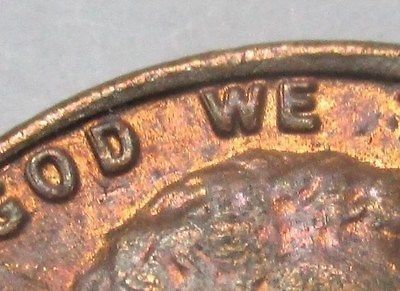
| Doubled Die Obverse (DDO) | Doubling on date, LIBERTY | $50–$500+ | Scarce |
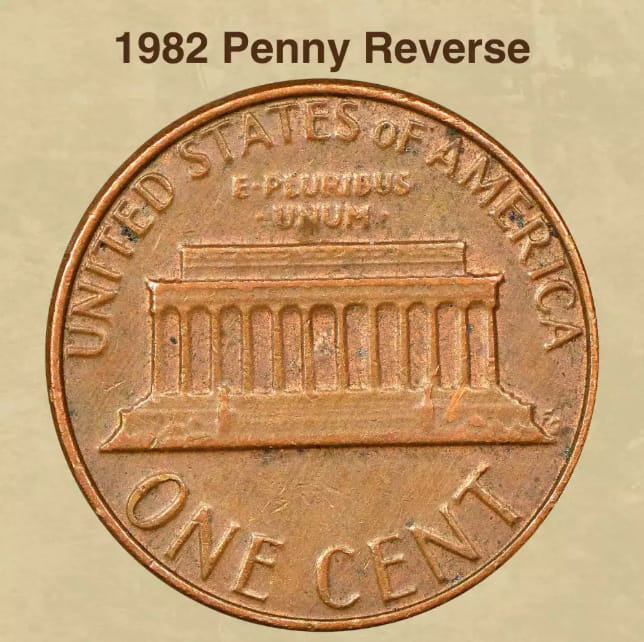
| Doubled Die Reverse (DDR) | Doubling on AMERICA, ONE CENT | $35–$300 | Scarce |
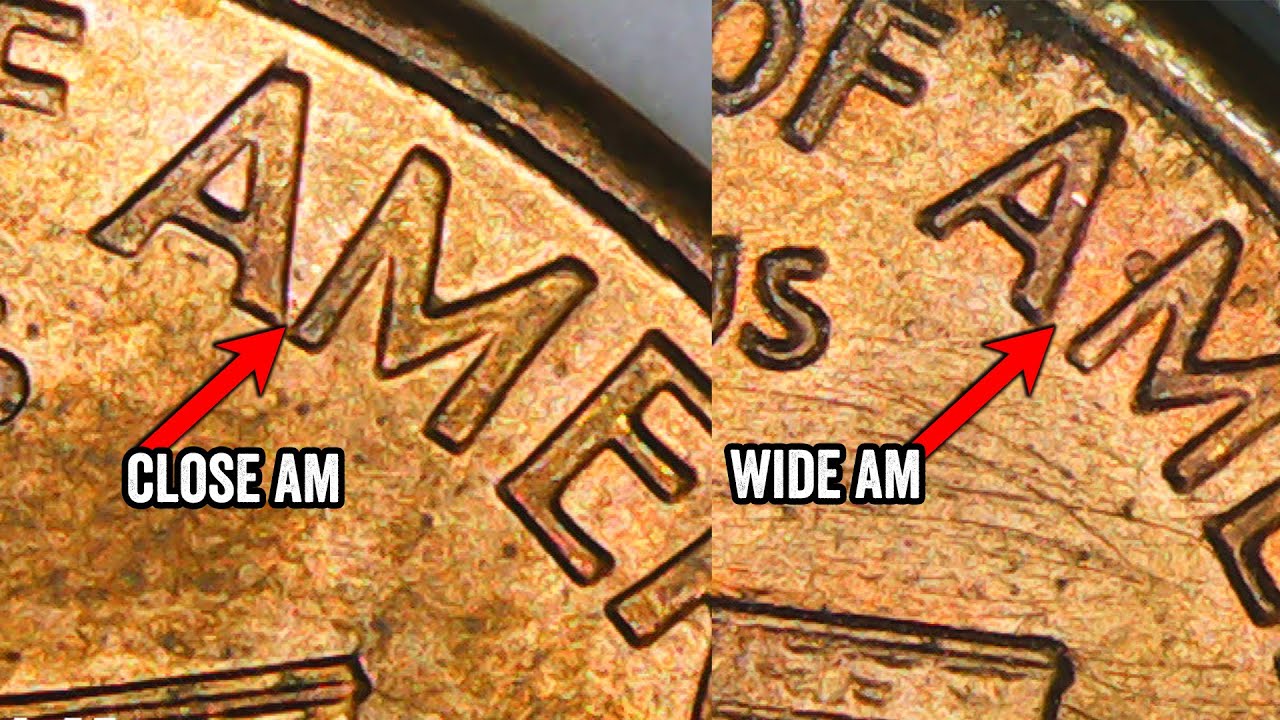
| Wide AM Variety | Gap between A and M in AMERICA | $15–$150 | Uncommon |
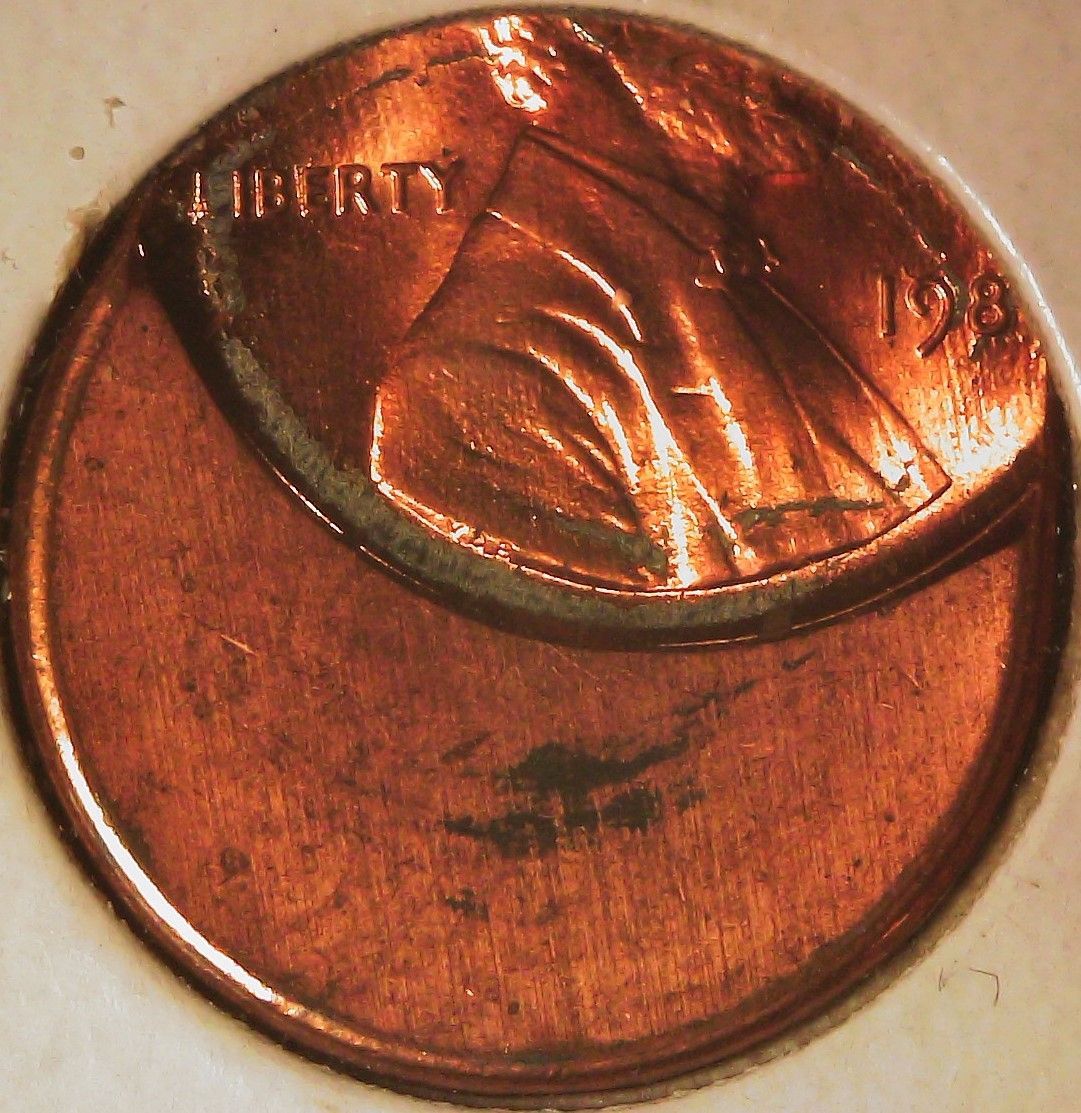
| Off-Center Strike | Design shifted off-center | $10–$300+ | Uncommon |
| Repunched Mint Mark (RPM) | Double "D" under the date | $5–$75 | Uncommon |
| Wrong Planchet Error | Wrong weight/size for denomination | $100–$3,000+ | Rare |
| Die Crack | Raised line across coin surface | $3–$50 | Common |
| BIE Error | "I" shape between B and E in LIBERTY | $5–$30 | Common |
| Clipped Planchet | Missing curved/straight edge | $15–$150 | Uncommon |
| Strike Through | Foreign material impression on coin | $10–$200 | Uncommon |
| Lamination Error | Peeling or flaking metal layers | $5–$100 | Common (zinc) |
1. Wide AM Error
The Wide AM error appears on the reverse where the letters "A" and "M" in "AMERICA" are spaced farther apart than normal. To identify it, examine the serif at the bottom right of the "A" and the bottom left of the "M" — on a Wide AM variety, there is a clear, visible gap between them.
2. Doubled Die Obverse (DDO)
Doubled Die Obverse errors show doubling on the front of the coin — most commonly visible on the date, "LIBERTY," or "IN GOD WE TRUST." Look for distinct notching or complete separation between elements, not shelf doubling from machine strike. A 10× loupe on the upper portions of letters will reveal the most prominent examples.
3. Doubled Die Reverse (DDR)
Doubled Die Reverse errors feature doubling on the back of the coin, typically affecting "UNITED STATES OF AMERICA," "ONE CENT," or the Memorial building columns. Strong DDR varieties show clear notching on rounded letters like "O," "C," and "S." Compare against known DDR variety photographs to confirm authenticity.
4. Off-Center Strike Error
Off-center strikes occur when the planchet is misaligned with the dies, resulting in only a portion of the design being struck. Value increases with the percentage off-center — but the date must remain visible for maximum premium. A 50% off-center strike with a clear date is more valuable than a 75% strike with no visible date.
5. Repunched Mint Mark (RPM)
Found on 1982-D pennies, the RPM error occurs when the "D" mint mark is punched into the die more than once in slightly different positions, creating a doubled or tripled mint mark appearance. Examine the "D" below the date with strong magnification — look for secondary D outlines, notching, or extra thickness on one side.
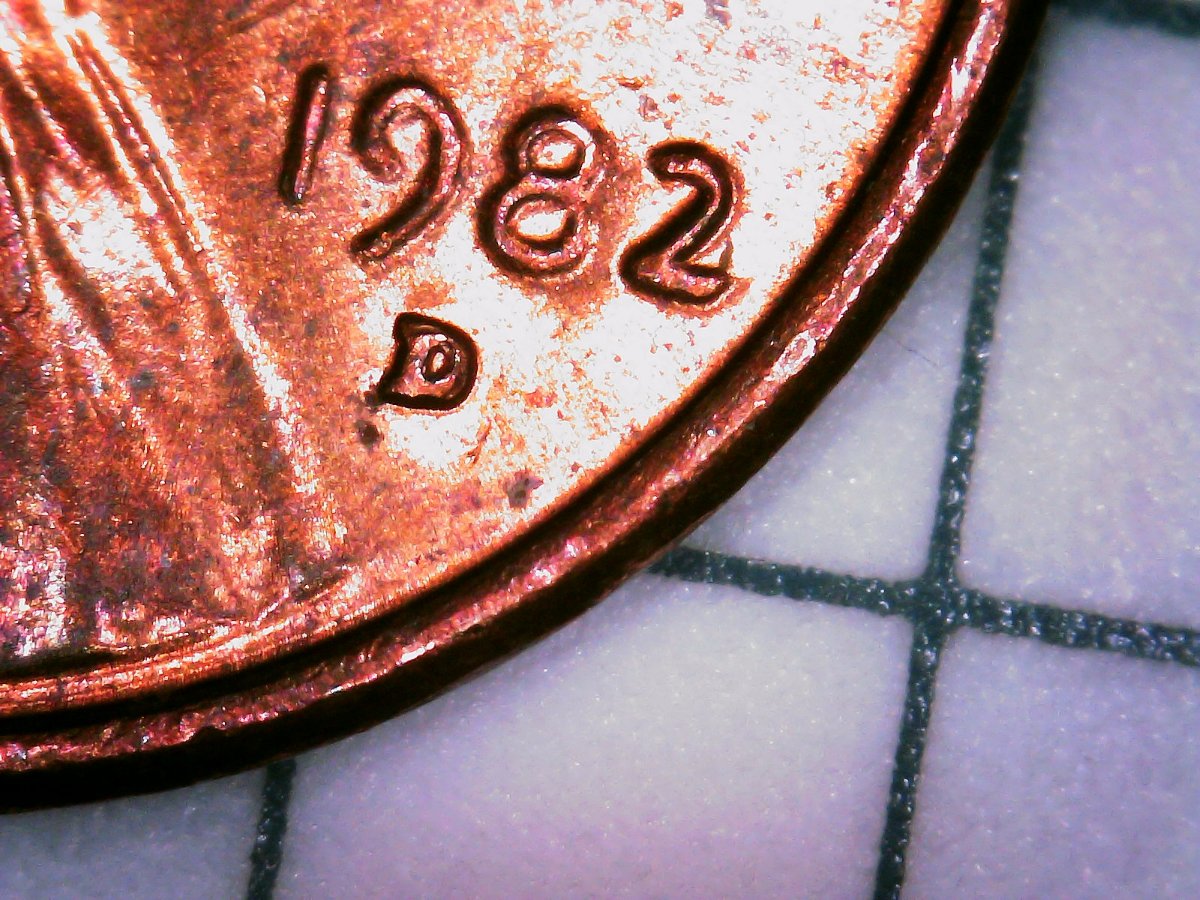
6. Wrong Planchet Error
Wrong planchet errors occur when penny dies strike a planchet intended for a different denomination — a dime planchet (2.27g), for example — or when composition transition errors create copper/zinc mismatches. Weight is the most reliable indicator: any 1982 penny weighing significantly outside 2.5g or 3.11g warrants investigation.
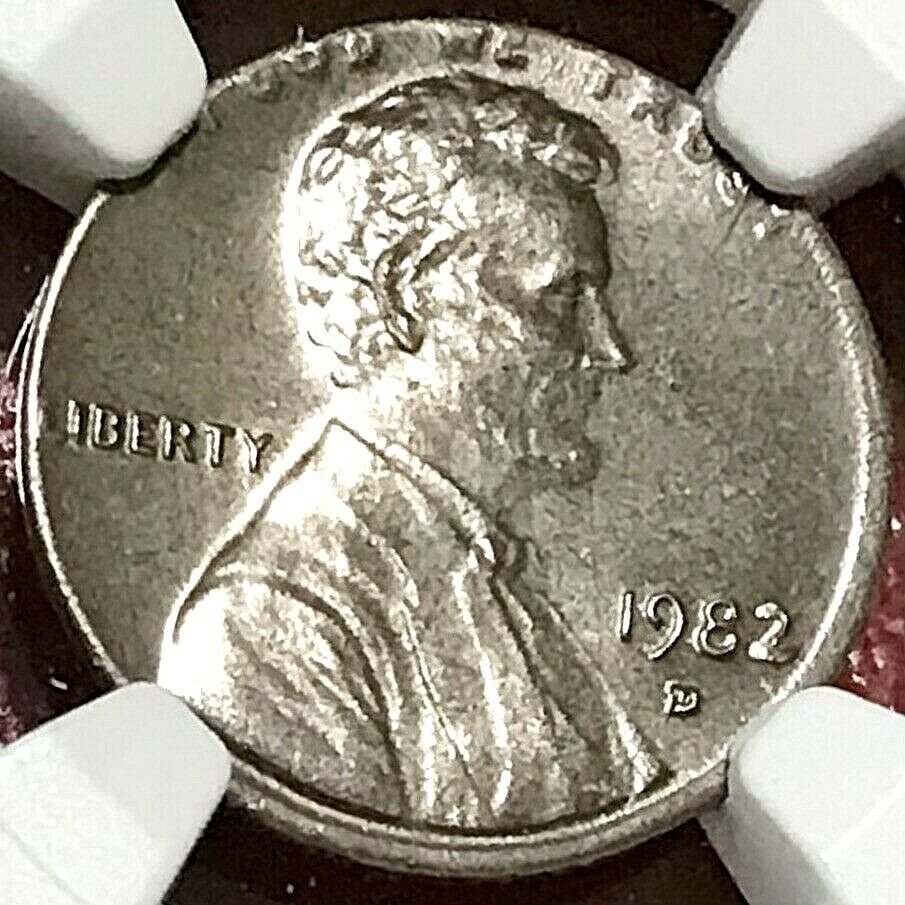
7. Die Crack Error
Die cracks appear as raised lines on the coin surface caused by metal fatigue in the die. They often run from the rim through letters or Lincoln's portrait. The most valuable die crack errors are major cracks that bisect significant portions of the design, or "cuds" where a piece of the die has broken away entirely.
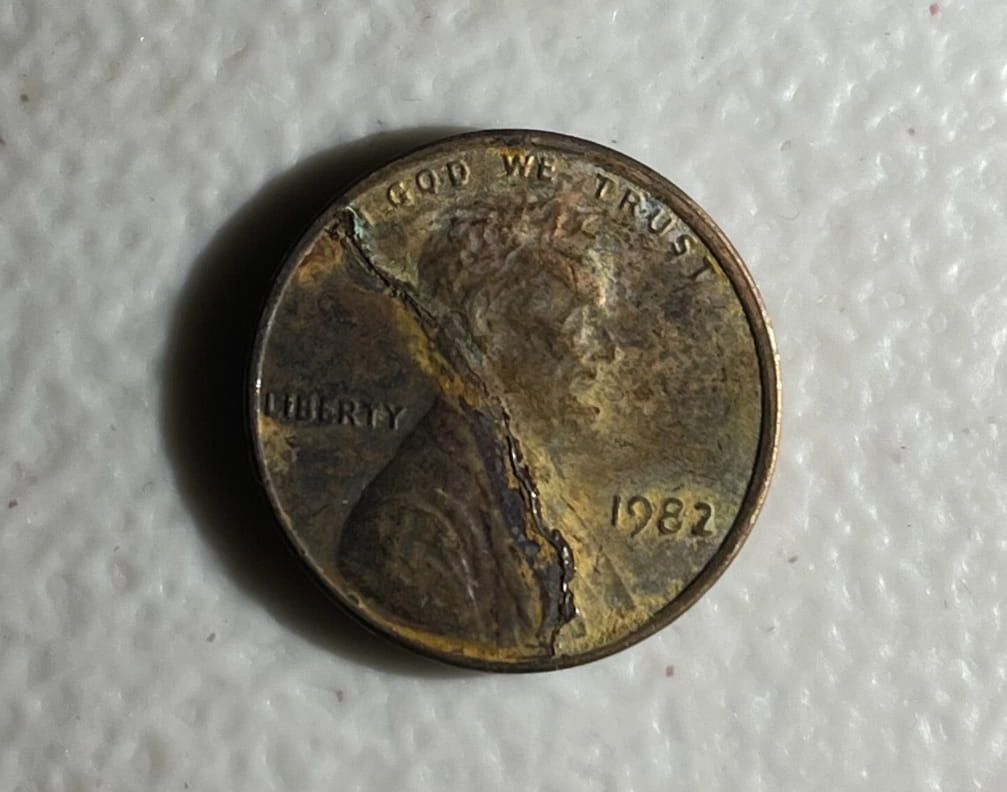
8. BIE Error
A BIE error is a specific die crack that appears between the "B" and "E" in "LIBERTY," creating what looks like a small capital "I" between them — giving the appearance of "LIBIRTY." The crack should appear as a distinct, well-defined raised vertical line, not to be confused with post-mint damage. Clear, prominent "I" shapes command the highest premiums.
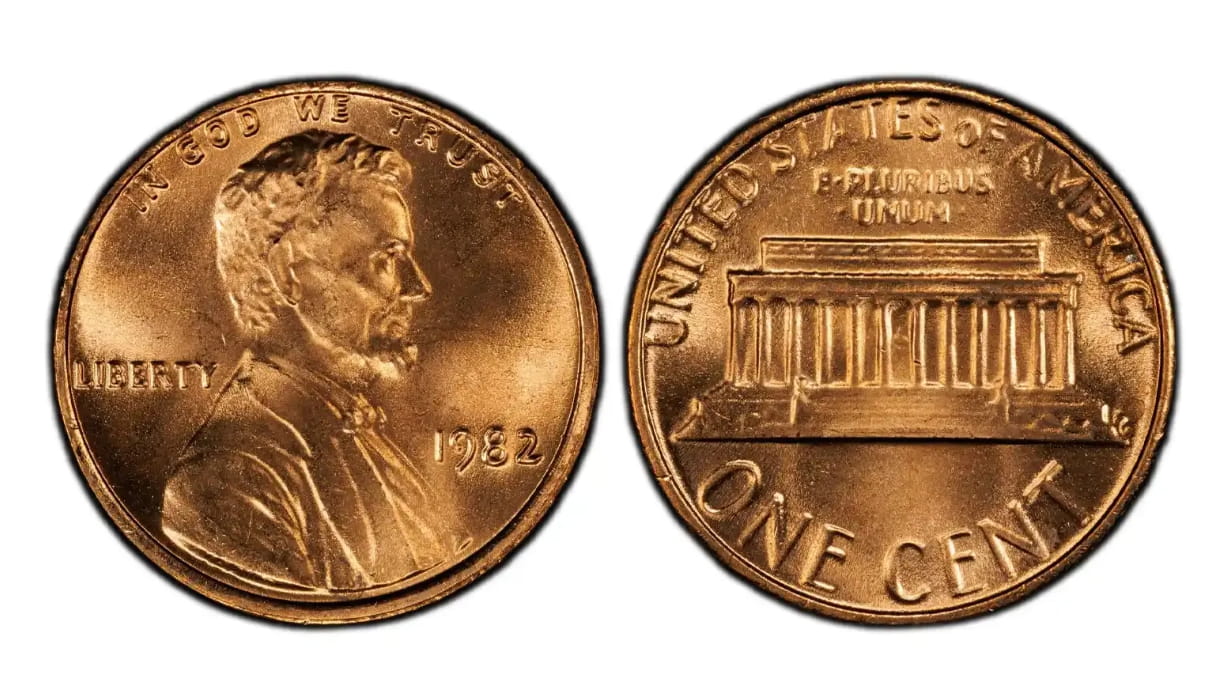
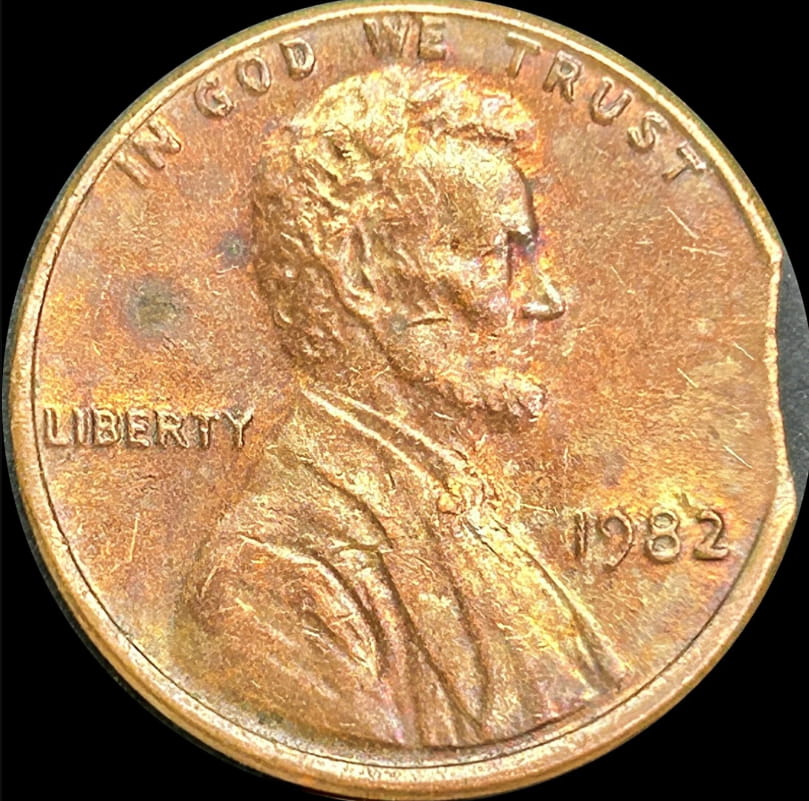
9. Clipped Planchet Error
Clipped planchet errors occur when the blank is incompletely punched from the metal strip, leaving a missing portion with a curved or straight edge. Genuine clips have a weak or absent rim in the clipped area. Straight clips come from planchet overlapping the strip edge; curved clips show the arc of an adjacent punched hole. Beware of post-mint damage that mimics clips.
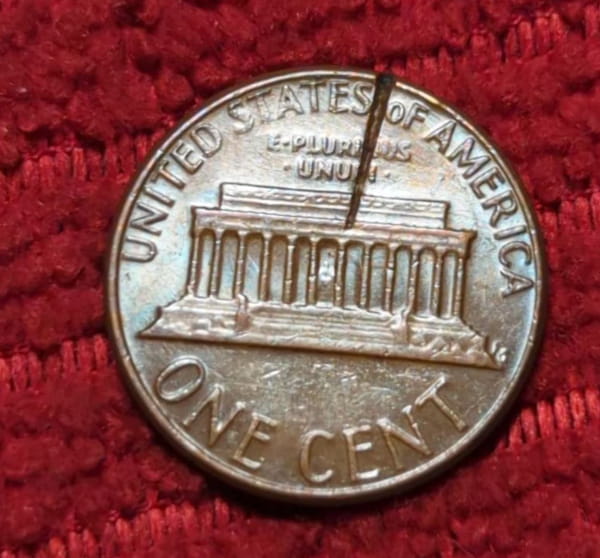
10. Strike Through Error
Strike through errors occur when foreign material — grease, cloth, wire, or another coin fragment — gets between the die and planchet during striking. The material leaves an impression where the design is weakened, missing, or shows the texture of the foreign object. Struck-through-grease errors show a flat, mushy design; fabric errors reveal a weave pattern on the coin's surface.
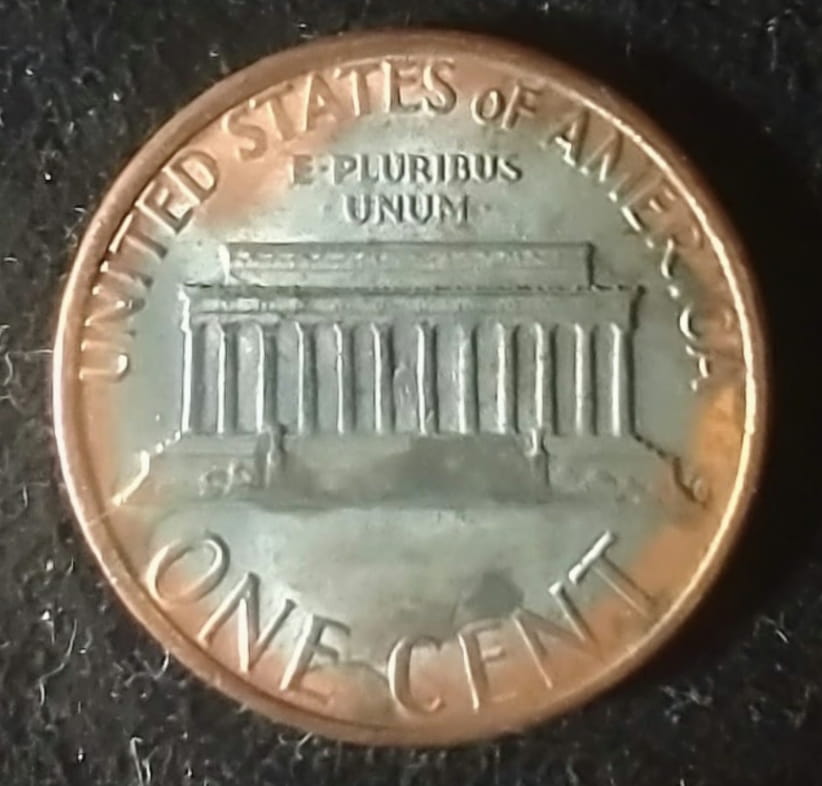
11. Lamination Error
Lamination errors occur when the metal layers of the planchet separate or peel away — particularly common on 1982 zinc pennies, where the thin copper plating can delaminate from the zinc core. Inspect for peeling surfaces, areas where metal is lifting, or missing flakes. Genuine lamination errors occur before the coin enters circulation; dramatic multi-flake examples command premium prices.
Real Money: Actual 1982 Penny Sales
Not theory. Real coins. Real dollars.
Table 6: Verified 1982 Penny Auction Results
| Year Sold | Coin Details | Auction | Final Price | Why It Sold High |
|---|---|---|---|---|
| 2022 | 1982-D Small Date Copper | Major Auction | $18,800 | Transitional error — one of only 2 confirmed |
| Recent | 1982 Zinc Small Date MS-69 RD | PCGS Registry | $15,600 | Top-graded zinc small date — grade rarity |
| Recent | 1982-S PR-60 DCAM | PCGS | $7,050 | Rare collector grade preference for proof contrast |
| Recent | 1982 MS-67+ Copper Small Date RD | Heritage | $1,410+ | Single-point grade difference premium |
| Monthly avg. | 1982 MS-65 RD (typical) | eBay | $5–$15 | Standard uncirculated copper, no errors |
"I found a 1982 penny in my dad's coin jar that felt slightly heavier than the others. Weighed it — 3.11 grams. It was a copper large date, nothing remarkable. But the next one I found from the same jar weighed 3.11 and had Small Date. Sent it to PCGS. Came back genuine copper small date — worth over $50 even in VF. That's a 5,000× return on a penny."
— r/coins user, verified post
Check Your 1982 Pennies with CoinKnow Coin Identifier App
The fastest way to know what you're holding — before calling an expert
Identifying a 1982 penny variety used to require reference books, dealer knowledge, and a good eye. Today, you can point your phone at a penny and get a preliminary identification in seconds. CoinKnow won't replace PCGS grading — but it'll tell you whether it's worth submitting, and help you distinguish Large Date from Small Date, copper from zinc, before you invest in a professional opinion.
Don't let valuable 1982 pennies slip through your fingers. Use the CoinKnow Coin Identifier app to instantly identify every variety of the 1982 Lincoln cent — including the elusive 1982-D Small Date copper.
CoinKnow — Coin Identifier
iOS & Android • The #1 Coin ID App for Lincoln Cent Collectors
Instant Recognition
Simply photograph your 1982 penny and get immediate identification — variety, mint mark, date size, and estimated value in seconds.
Composition Guide
CoinKnow walks you through the copper vs zinc identification process, including the critical weight test and drop test for 1982 pennies.
Current Market Values
Real-time pricing from major auction houses and dealers. Know exactly what your specific 1982 variety is worth today.
Download CoinKnow Free — Available on Both Platforms


📱 Pro Workflow: CoinKnow + Expert Grading
- Step 1: Weigh the coin — 3.11g = copper, 2.5g = zinc. This is non-negotiable.
- Step 2: Use CoinKnow to photograph and identify the date size (Large vs Small) and mint mark
- Step 3: If copper + Small Date + D mint mark — stop everything and contact PCGS or NGC
- Step 4: Review CoinKnow's real-time market values and recent auction comps for your specific variety
- Step 5: For any coin potentially worth $50+, submit to PCGS or NGC for professional grading
- Step 6: Sell via Heritage Auctions (high value) or eBay (mid-range)
The Bottom Line: Your 1982 Penny Action Plan
Stop reading. Start checking.
Final Reality Check — 1982 Lincoln Memorial Penny
| If Your 1982 Penny Has… | It's Probably Worth… | Your Next Step |
|---|---|---|
| Weighs 2.5g, circulated | Face value | Spend it freely — it's just a penny |
| Weighs 2.5g, uncirculated, Large Date | $0.50–$5 | Keep in a coin flip — might grade well |
| Weighs 3.11g, Large Date | $1–$15 | It's copper — check condition and grade |
| Weighs 2.5g, Small Date, uncirculated | $50–$15,600 | Submit to PCGS/NGC immediately |
| Weighs 3.11g, Small Date, no D mark (P) | $2–$500+ | Authenticate and grade — valuable variety |
| Weighs 3.11g + D + Small Date 🔥 | $10,000–$18,800+ | DO NOT SPEND. Call PCGS or NGC. Now. |
| Visible doubling on date or LIBERTY | $50–$500+ | Photograph well, check against DDO registry |
| Off-center strike, date visible | $10–$300 | Photograph well, list on eBay or submit |
Your 5-Minute 1982 Penny Checklist:
- Confirm it's 1982 — check the date and look for "D" under it (or no letter for Philadelphia)
- Weigh it — this is the single most important step. 3.11g = copper. 2.5g = zinc.
- Identify the date size — grab a 10× magnifier and examine the "2" in the date. Small Date = potentially very valuable.
- Assess the color — Red (RD) is the goal for top values. Brown = common grade. Red = premium.
- Check for doubling — look at the date and "LIBERTY" for raised, rounded doubling.
- Use CoinKnow — the coin identifier app for instant ID, error detection, and current market value.
- Submit to PCGS or NGC — for any coin potentially worth $50+, professional grading is essential.
The 1982 Penny: The Year America's Cent Changed Forever
The 1982 Lincoln cent is unique in American coinage history. It's the only year that produced pennies in two completely different metal compositions, generating seven distinct varieties in a single calendar year. Most are worth a cent. A small number are worth a fortune.
What makes 1982 compelling for collectors isn't just the 1982-D Small Date copper — it's the sheer number of varieties hidden in billions of ordinary coins. The transition created opportunities for transitional errors, die varieties, and composition mismatches that even experienced collectors still discover in pocket change today.
"Every 1982 penny deserves a scale and a magnifier. The weight test takes five seconds. The payoff — for the one in a billion that measures 3.11 grams with a Small Date and a D — is life-changing."
Modern coin identifier apps have democratized this process. What once required dealer expertise now takes seconds with a smartphone. Use them. Weigh your coins. And if that small scale reads 3.11 grams on a 1982-D penny with a Small Date — don't touch it, don't clean it, and call a professional grader immediately.
That's the thing about 1982: it may be the most common penny year ever minted. Or the one in your hand might be one of two. Only a scale and a magnifier will tell you which.
Found a 1982 Penny Worth Checking?
Use CoinKnow for a quick ID, then get professional eyes on anything copper with a Small Date.
Last updated: 2026 | Values based on PCGS CoinFacts, Heritage Auctions, Stack's Bowers, and eBay sold listings
Disclaimer: Coin values are estimates based on recent market data. Actual prices depend on individual coin condition, current buyer demand, and auction timing. Professional grading recommended for coins potentially worth $50+.